
Sierra Leone’s President, Dr. Julius Maada Bio, has invited fellow African leaders and development partners to join his country’s journey to accelerate health service delivery for mothers and children. He made this clarion call over the weekend while addressing global leaders on the sidelines of the 39th Ordinary Session of the African Union Assembly in Addis Ababa-Ethiopia, where he declared a 300-Day Activism.
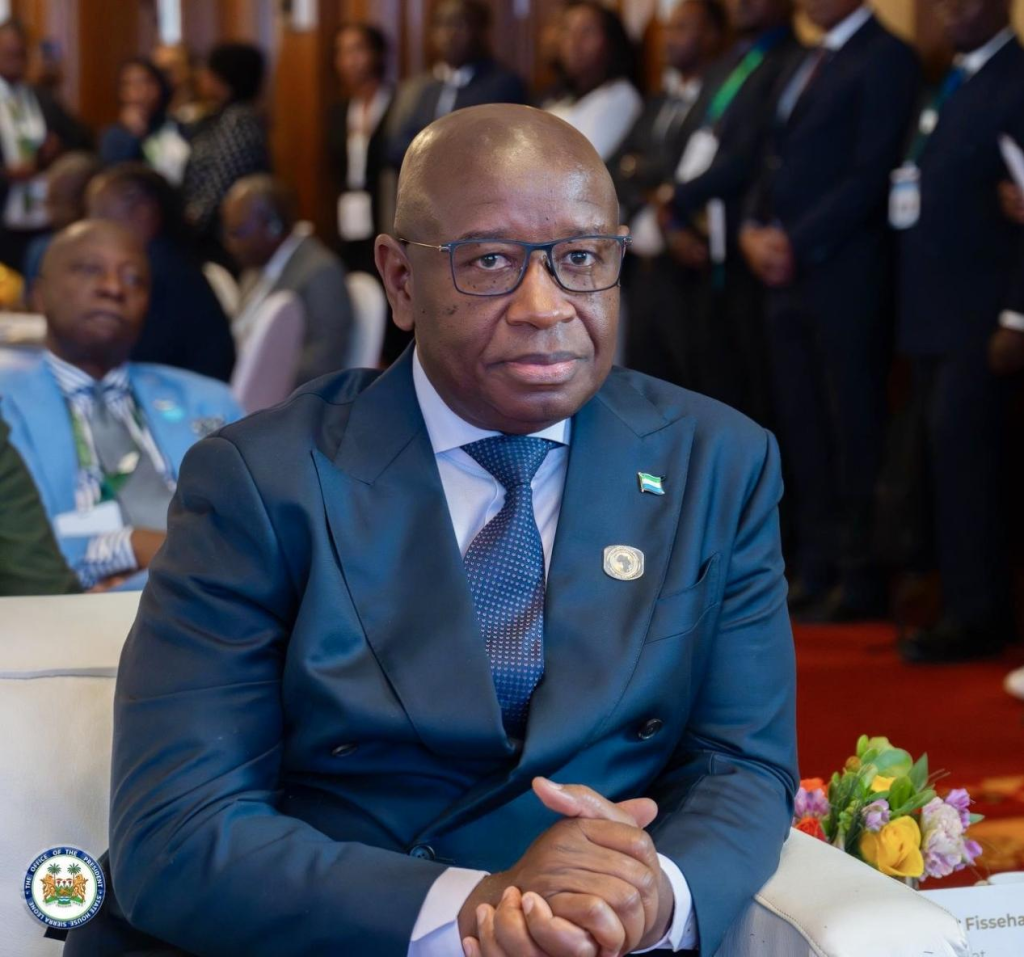
This presidential initiative, which commences on the first of March this year, demonstrates the strong political will of a nation determined to improve healthcare for mothers and babies. During this 300 days, the focus will be on speeding progress to further consolidate the gains already achieved in maternal health. For President Bio, “this is an opportunity to adequately allocate resources and strengthen implementation of services in areas where gaps still exist.”
During this period, the president said, “our focus will be on continuously improving care for pregnant women, promoting safer deliveries, responding swiftly to complications, and providing thorough postnatal follow-ups.
In the past, too many women died needlessly while bringing life into this world because known solutions were either applied poorly or not applied consistently. But, the last decade has seen some remarkable improvements in this area with over 70% reduction in maternal deaths, an accomplishment attributed mainly to the innovative leadership of the Minister of Health, Dr. Austin Demby.
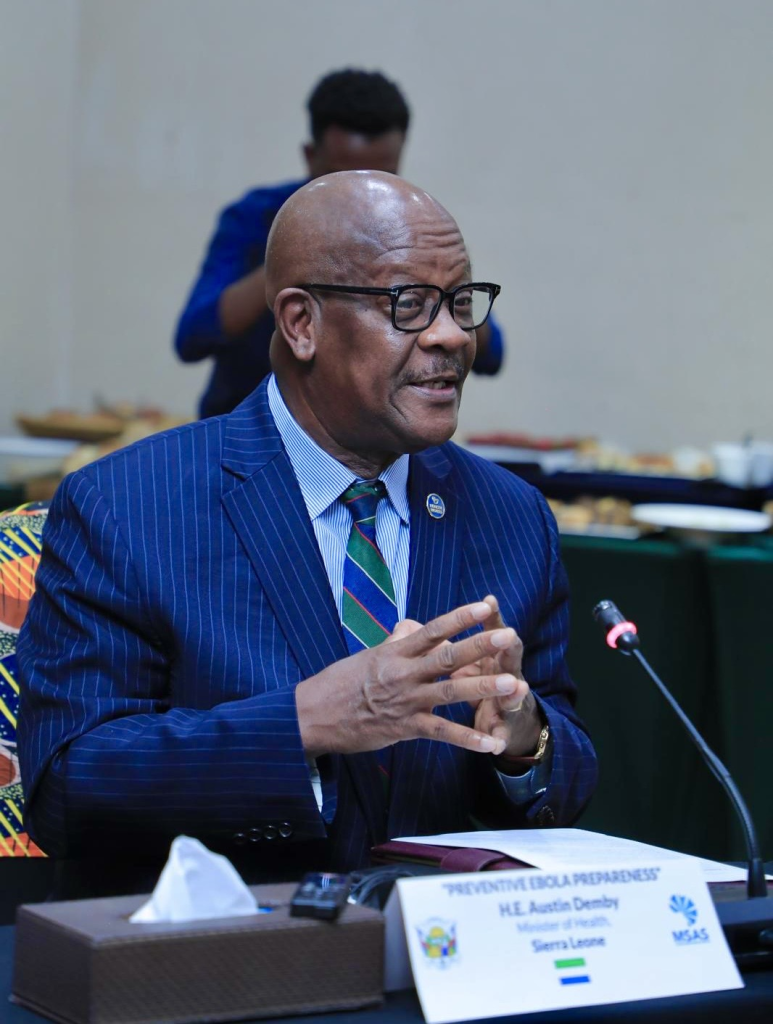
“Every mother, every child, deserves a chance at life,” Dr. Demby said while addressing the gathering of African leaders.
He said that the President’s declaration will echo through the healthcare ecosystem and therefore its success will be woven into other priority areas including the ongoing training of fit-for-purpose caregivers.
Already, the Government has increased the number of doctors graduating from medical school by tenfold including the steady expansion of skilled birth attendants from 60 to 87 percent as well as the establishment of 12 oxygen plants and more than 300 solar installations to keep health facilities powered. All these are signs of a country in transition, one not defined by its past challenges, but a strong desire to giving its people a reason to hope and believe again.
That is why the 300 Days of Activism will help to consolidate these gains through discipline, accountability, and sustained investment and its progress will be closely monitored, results shared openly, and success measured by the number of lives saved.