
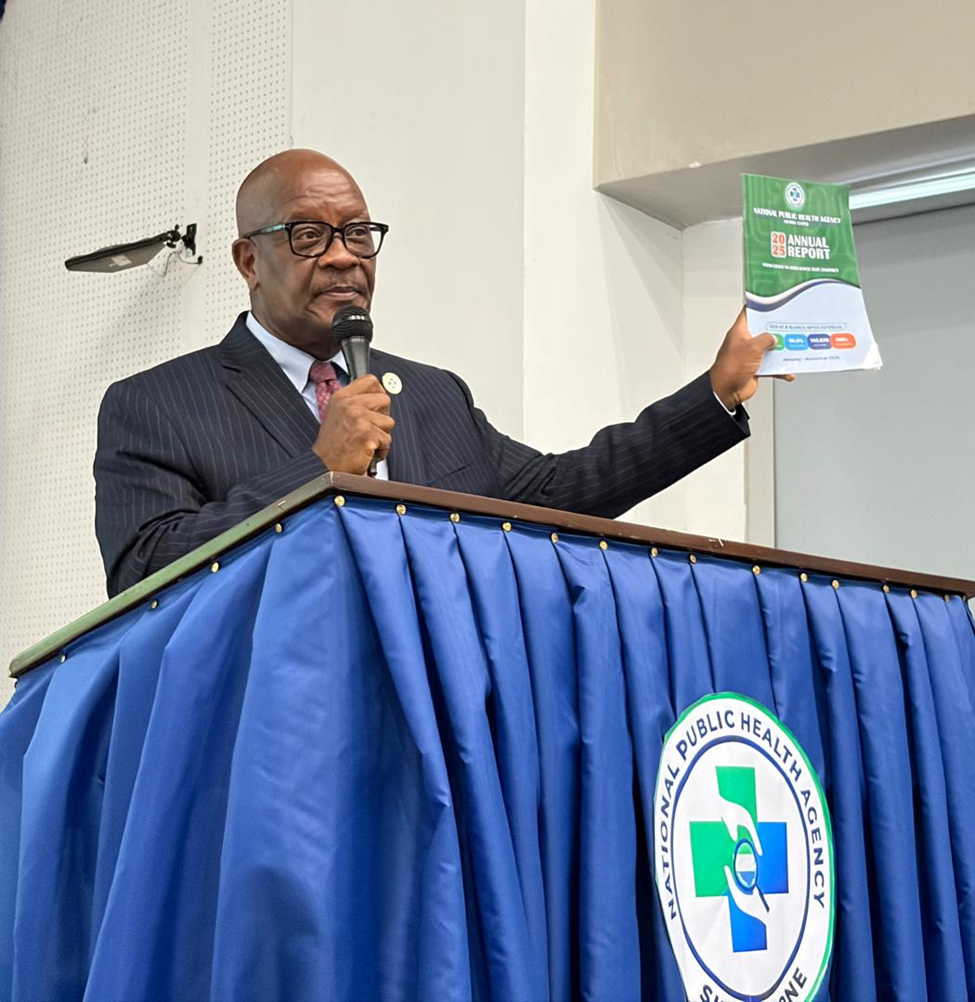
The people of Sierra Leone are smiling once again after achieving another significant milestone in the fight against public health outbreaks of international concern. On Monday 15th December, 2025, the Minister of Health, Dr. Austin Demby, declared the country free of Mpox marking an overwhelming excitement and hope for the future.
“It is my solemn duty and my privilege to officially declare that the Mpox outbreak in Sierra Leone has ended.”
This breaking news highlights the incredible journey for a nation that has been tested not once or twice by public health emergencies, and it follows the World Health Organization (WHO)’s accepted public health standards of going for more than forty-two days without recording a new case.
Before the declaration, all sixteen districts of the country had already surpassed this expectation, with several going for over one hundred and fifty days without registering a single case. This is not luck, Minister Demby pointed out. He went on, “this is leadership. This is a system at work.”
This massive success story was made possible not just by the dedication and sacrifice of medical staff, Ministry of Health officials, and the National Public Health Agency (NPHA) team; it was truly a national response, with communities at the heart of everything. Through the local community leaders, including chiefs, religious leaders and more, health authorities were able to take the Mpox fight to every doorstep.
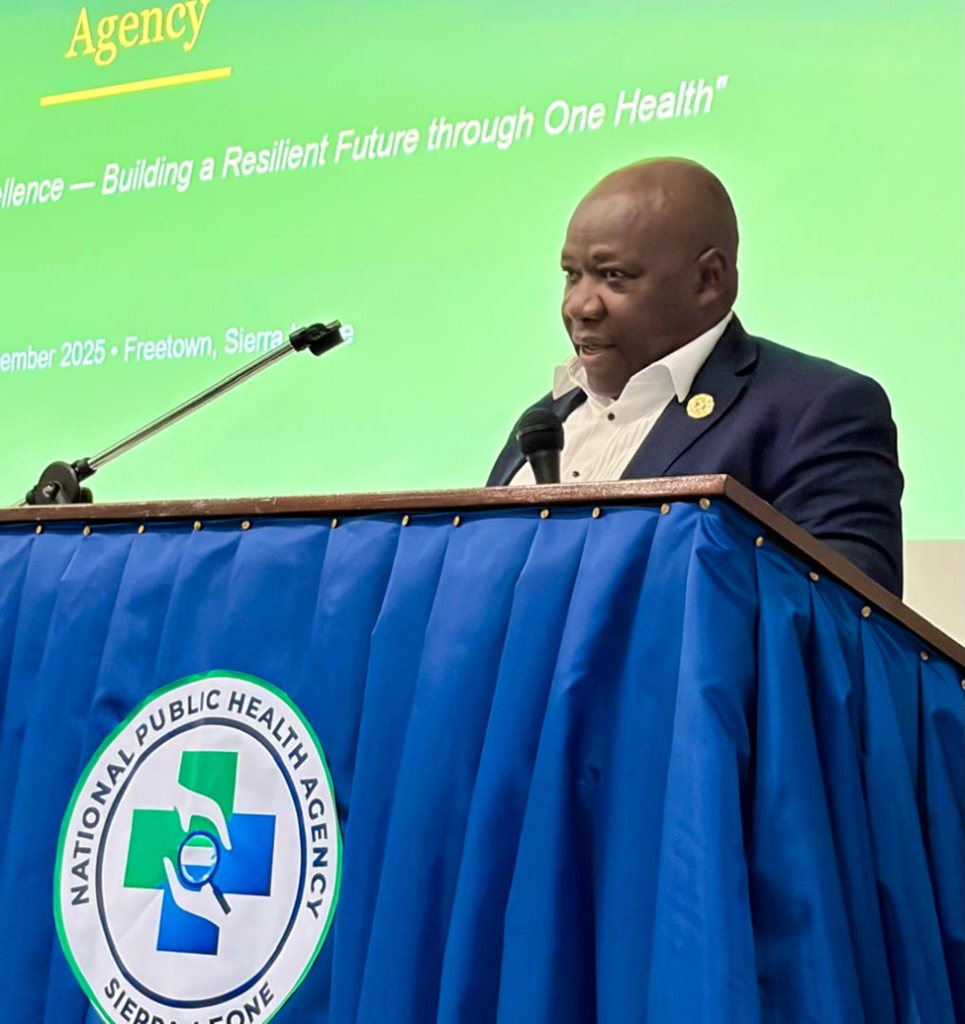
Dr. Demby applauded this approach, describing it as “a whole-of-government and whole-of-society effort.”
The Response
When Mpox was first detected in Sierra Leone in January this year, with just two cases, the Government of Sierra Leone immediately declared the outbreak a Public Health Emergency. Since then, the country recorded 5,442 confirmed cases and 5,382 recoveries, representing an impressive 99 percent survival rate. Most notably, only 60 people lost their lives to the virus representing a minimal case fatality of 1.1 percent.
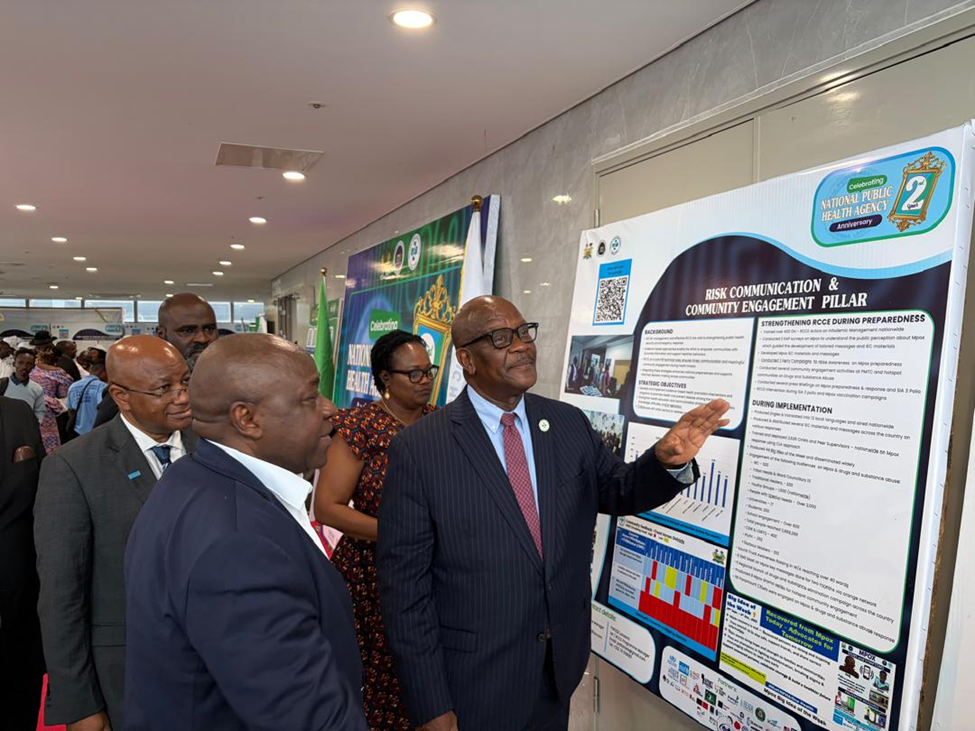
Throughout the course of the outbreak, the Ministry of Health, with support from its partners, vaccinated over 186,000 people, prioritising healthcare workers and the most vulnerable. Over 22,500 contacts were traced and monitored and the country expanded laboratory capacity to nine testing sites nationwide with treatment centers in hotspot areas.
These measures, among others, helped to contain the spread of the virus and gave healthcare providers an opportunity to swiftly detect, isolate, and treat infected people.
However, the Minister, Dr. Austin Demby, remains unequivocally clear about the country’s determination to stay vigilant. He said, “the end of this outbreak does not mean the end of vigilance. Mpox remains present in parts of Africa.
We will maintain surveillance, strengthen border screening, and sustain community awareness. Preparedness is not optional; it is permanent.”
A Second Anniversary that Defines the Future
Two years ago, under the leadership of President Bio, the Government made a solemn commitment to the people: that the nation would never again be caught unprepared in the face of health emergencies. That promise has been kept on the right side of history with the country’s recent triumph over Mpox.
That is why when the Minister declared the outbreak over on the day of NPHA’s second birthday, the celebration became even more meaningful.
“We celebrate not just survival, but transformation. Not just response, but resilience. Sierra Leone is no longer defined by its past health crises. Today, we define our future as a future of public health excellence,” Dr. Demby said.
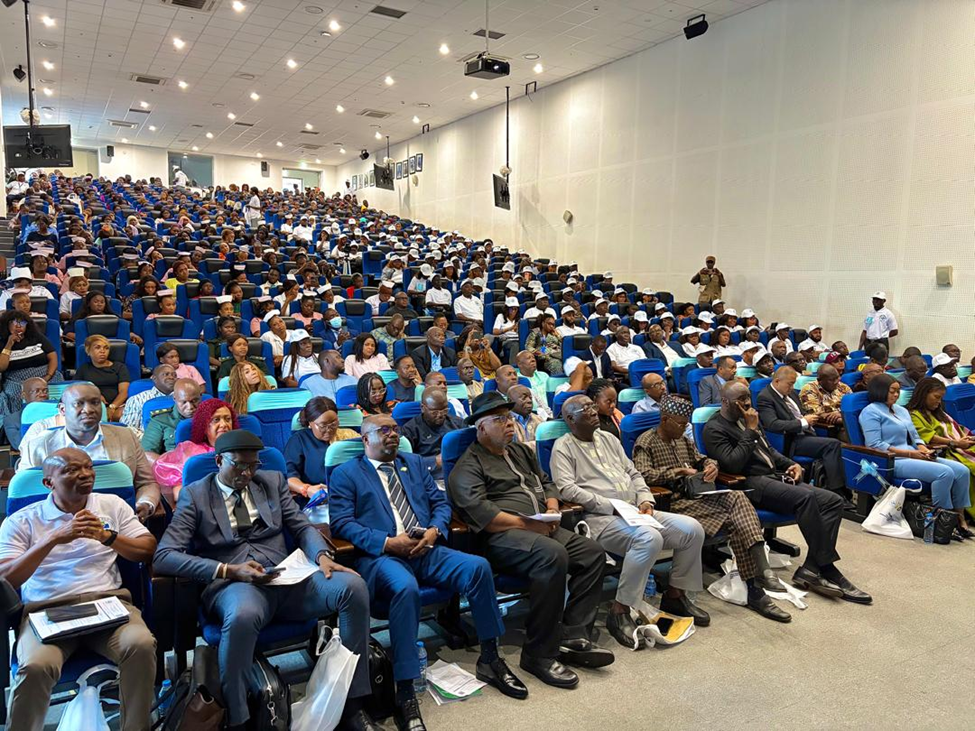
The establishment of NPHA was not merely an administrative reform. It was a fundamental transformation of how Sierra Leone approaches public health security. It was born from the lessons of Ebola, refined through subsequent emergencies, and built upon the collective wisdom of the people of this country and partners.
But, Sierra Leone will not be complacent. The work of health security is never complete. New threats will emerge. Old threats will resurface. Climate change will create new disease patterns. The country remains vigilant, prepared, and united. That is why the Government of Sierra Leone commits to continued budgetary support for NPHA’s core operations.
“We will not allow this institution to become solely dependent on external funding. Health security is a national responsibility, and we will fund it as such,” the Minister concluded.