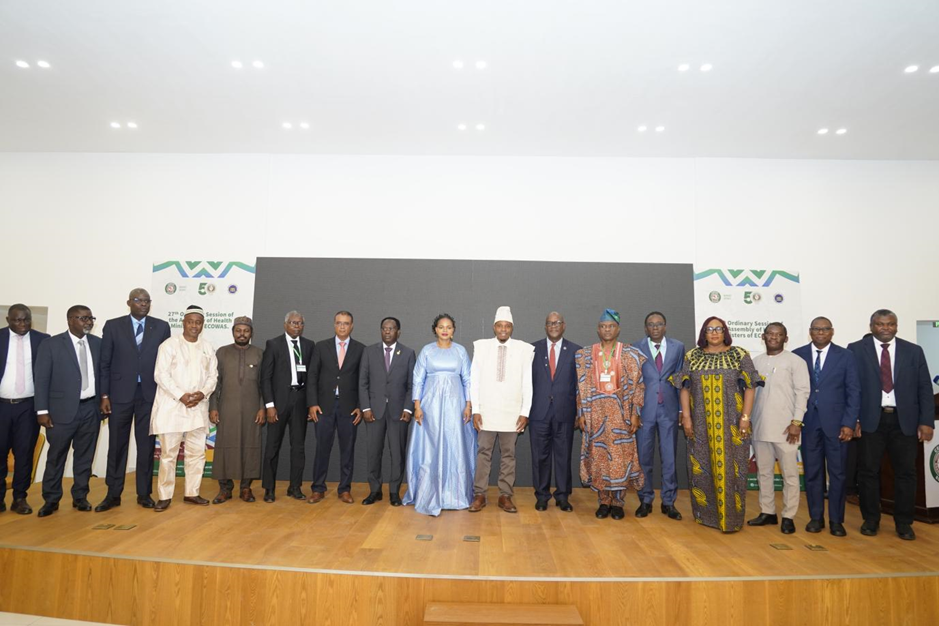
Described as the best health ministers conference since its inception, Sierra Leone proudly achieved a great feat not just in hosting the 27th Ordinary Session of the Assembly of Health Ministers of ECOWAS for the first time in fifteen years, it also came out with—The Freetown Charter—a document that clearly defines strategic roadmap for addressing some of the continent’s most telling healthcare challenges by leveraging on use of technology and strong regional collaboration. Organized by the Ministry of Health and West Africa Health Organization (WAHO), this significant gathering brough together over 500 delegates, including ministers, experts, partners and observers in Freetown from the 20th to 25th April 2026.
Among other key milestones of the just concluded conference are the adoption of strategic decisions to accelerate malaria elimination, reduce maternal and infant deaths as well as strengthening health systems across the ECOWAS sub-region; all of which form the foundtion of the Freetown Charter.
The week-long sessions, which concluded with two days of intensive deliberations by the region’s health ministers, also saw the adoption of the final report and official communique that captured key decisions and commitments made by member states. But, strategically symbolic for Sierra Leone and West Africa was the Freetown Charter’s adoption. Addressing his colleagues as Chairman of the ECOWAS Health Ministers Assembly, Sierra Leone’s Minister of Health, Dr. Austin Demby, boldly highlighed the benefits of the Freetown Charter.
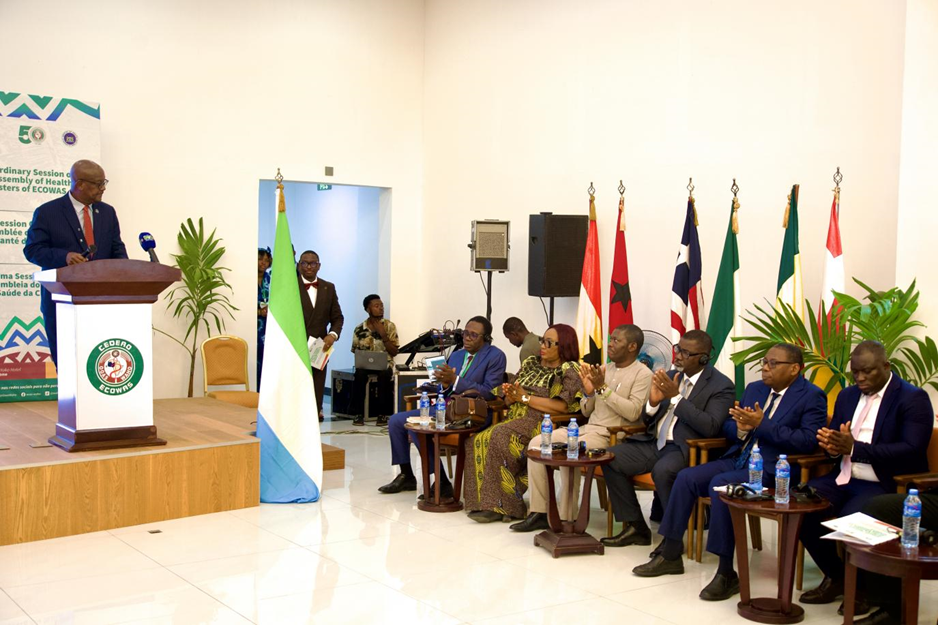
“We as minister recognize that infectious disease outbreaks, epidemics and pandemics disproportionately affect pregnant women, newborns and children, as demonstrated by the excess maternal mortality documented during the 2014–2016 Ebola outbreak in the region and by the disruption of routine antenatal, delivery, postnatal and immunization services observed during the COVID-19 pandemic. This charter will help the region reimagine investments in pandemic preparedness, response and biosecurity. These will direct impact the protection of maternal, newborn and child health; the main ambitions of this Charter.”
What is the Freetown Charter?
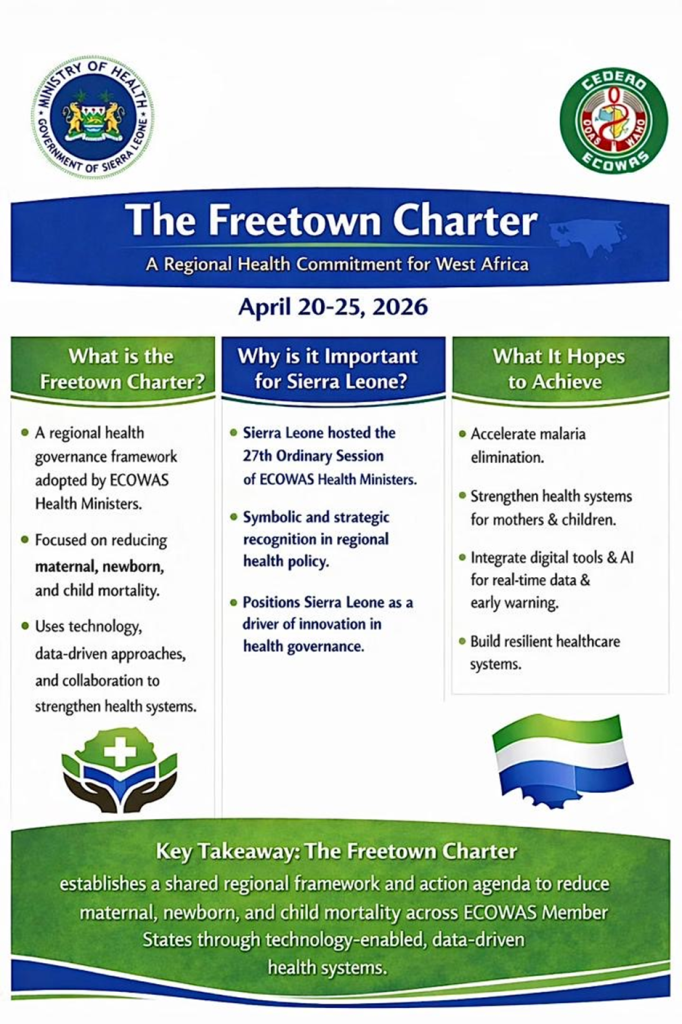
The Freetown Charter is a regional health governance framework that was adopted by Health Ministers of the Economic Community of West African States (ECOWAS) during their recently concluded 27th Ordinary Session in Freetown. This landmark agreement aims to accelerate the reduction of maternal, newborn, and child mortality using technology, data-driven approaches and strong regional collaboration.
So, why does this charter matter for the ECOWAS member states?
This regional health commitment is significant in many ways not just for Sierra Leone, but for countries within the ECOWAS region. Below are a few reasons why:
- A major focus of the charter is to tackle maternal, child, and infant mortality, some of the major health challenges for all member states. To achieve this, the charter is targeting improvement of broader health system strengthening.
- It is intended as a joint framework for improving public health outcomes across West Africa. In short, it is a political and policy commitment by ECOWAS countries to act together on major health challenges.
- It proposes to use technology to address the region’s health problems by integrating a framework for digital tools, including real-time data systems (sharing data, aligning policies, joint interventions etc.,) for improved decision making as well as incorporating the use of artificial intelligence (AI) into national health systems to improve accountability and enhance early detection of public health threats.
Another core value of this charter is that it is more than symbolic with leaders describing it as a potentially binding charter, that countries may be expected to report progress and be held accountable for.
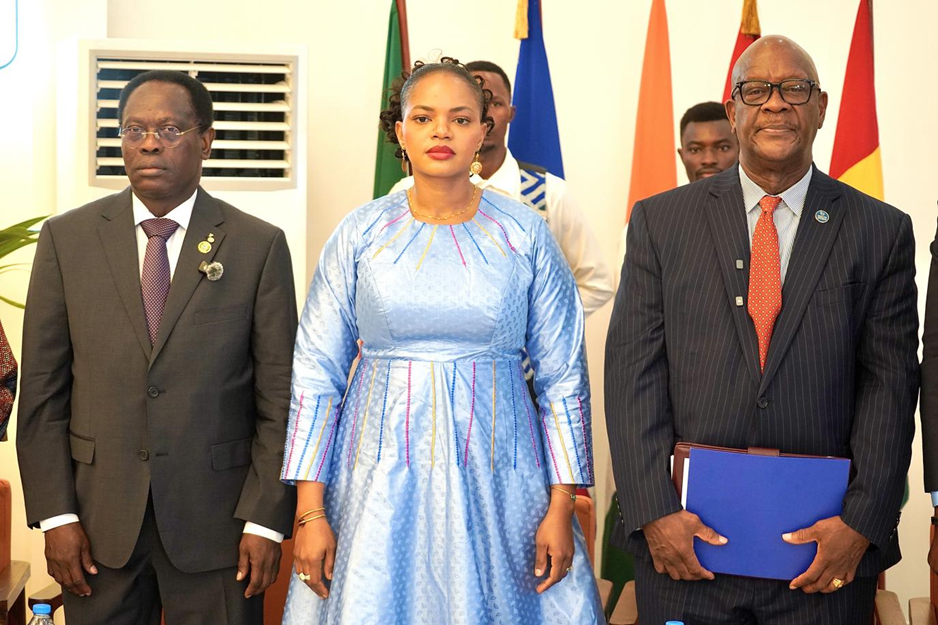
In conclusion, it is important to note that ECOWAS Health Ministers’Assembly is the top decision-making body for health in the sub-region, and so adopting a charter at this level gives it real political weight that many other charters lack. This charter is crucial therefore as it harmonizes policies, improves accountability for healthcare expenditure in a difficult global fiscal context and aims to build resilient health systesms as well as tackling some of the region’s top public health challenges, including malaria and high maternal and infant mortalities.
The video below is a key highlight of the ECOWAS Health Ministers meeting and official opening of the 27th Ordinary Session of the Assembly of Health Ministers.