Freetown, Sierra Leone| 9th June 2026.
In Sierra Leone, the availability of safe, ready-to-use blood for patients who require immediate blood transfusion remains a major healthcare concern. This is partly influenced by the low turnout of vulnetary blood donor. In fact, vulnetary blood donation is pegged at less than 1% of the population, a worrying trend that is way below the 10% WHO recomendation. This low blood donation awareness often contributes to severe blood shortages in health facilities with an estimated 85% of patients requiring blood transfusion not having access to any.
Ensuring the availability of safe blood means saving lives every day. With this objective, the Italian Association for Solidarity Among People, AISPO for short, in collaboration with the Ministry of Health and other Sierra Leonean institutions and with the support of the Italian Agency for Development Cooperation (AICS), is implementing the third phase of the National Blood Transfusion System Strengthening Programme.
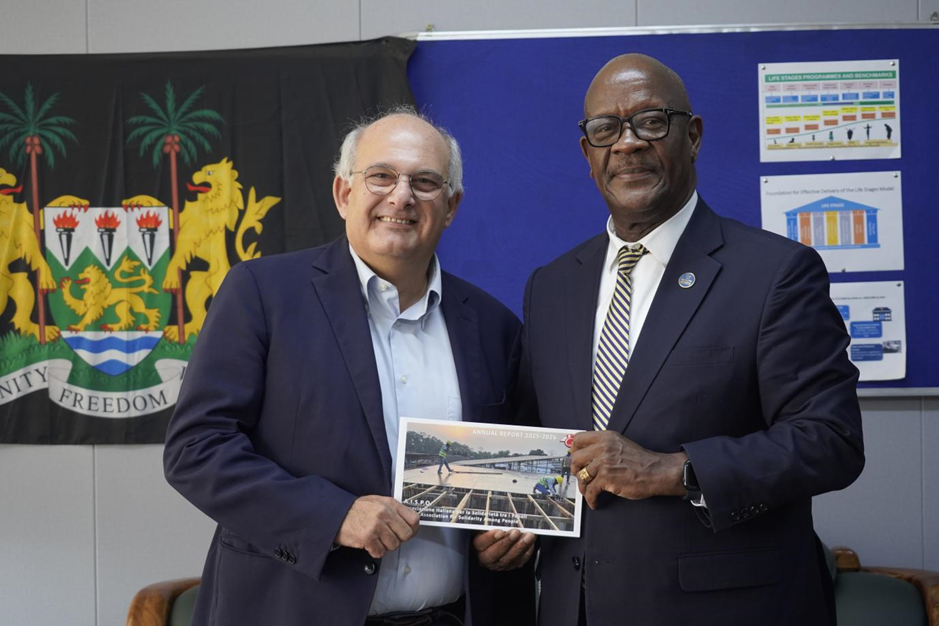
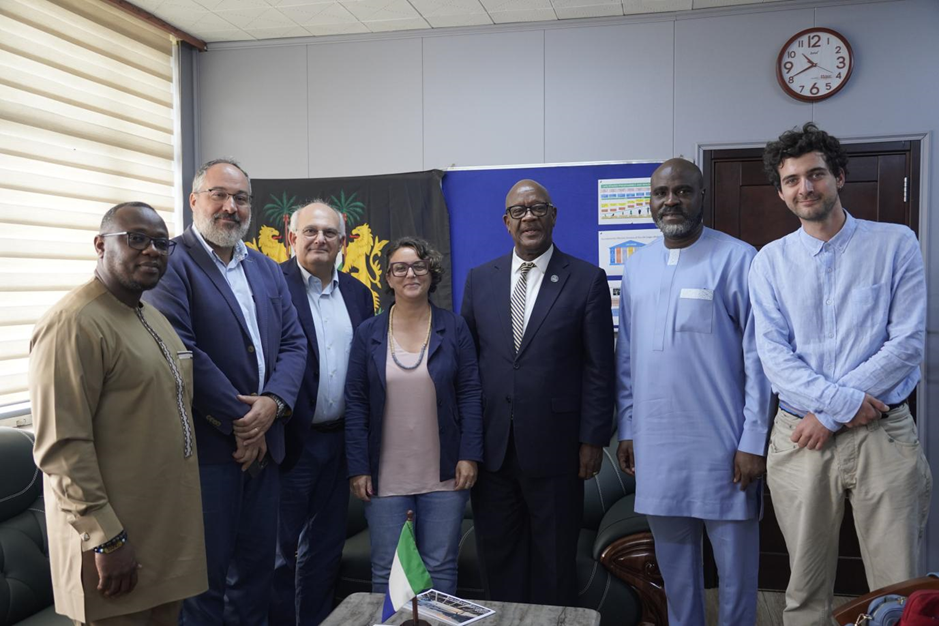
The project’s progress was recently highlighted during an institutional and monitoring mission led by AISPO’s President, Prof. Fabio Ciceri, who met with representatives of national institutions, including the Minister of Health, Dr. Austin Demby, healthcare facility leads, and project partners. The visit provided an important opportunity to assess the progress of all field activities, strengthen dialogue with local authorities, and reaffirm the shared commitment to enhancing Sierra Leone’s healthcare system.
The project builds on a long-standing partnership with the Ministry of Health and the Ministry of Technical and Higher Education of Sierra Leone and represents the continuation of previous initiatives that have contributed to improving access to blood transfusion services across the country.
One of the most significant achievements of this phase is the establishment of the third National Blood Transfusion Centre at Bo Regional Hospital, complementing the existing centres in Freetown and Makeni. The new facility will expand access to safe and quality blood services, benefiting thousands of patients, particularly women during childbirth, newborns, and children suffering from severe anaemia.
Alongside infrastructure development, the project is investing heavily in human resource capacity building. Doctors, laboratory technicians, and healthcare professionals are participating in specialized training programmes delivered through the collaboration of national and international experts. A particularly innovative component of the initiative is the creation of Sierra Leone’s first postgraduate specialization programme in Haematology, a strategic milestone for a country where specialized expertise in this field remains limited. This effort is being developed in partnership with Vita-Salute San Raffaele University and San Raffaele Hospital in Milan, which are supporting both curriculum development and specialist training.
Currently, five Sierra Leonean doctors are undertaking advanced training at San Raffaele Hospital, gaining expertise in clinical haematology, onco-haematology, haemoglobinopathies, and haematological diagnostics. Upon their return, they will play a key role in transferring knowledge and supporting the implementation of the future national specialization programme, contributing to the development of sustainable local expertise.
However, the sustainability of the blood transfusion system depends not only on infrastructure and professional skills. For this reason, the project places strong emphasis on community engagement and the promotion of voluntary blood donation.
From the early stages of the intervention, Paramount Chiefs—traditional leaders who play a crucial role within local communities—have been actively involved. Awareness-raising meetings were organized across the chiefdoms of Bo District, bringing together traditional and religious leaders, youth representatives, healthcare workers, community members, and other local stakeholders.
A total of 16 community meetings were conducted, strengthening local ownership and leading to the identification of two community mobilizers in each chiefdom. These mobilizers will support awareness campaigns, encourage community participation, and help promote a culture of voluntary blood donation over the long term.
The direct involvement of Paramount Chiefs, local authorities, communities, and the Bo District Health Management Team (DHMT) is a key factor in the project’s success. Only through active community participation will it be possible to ensure a stable and safe blood supply capable of meeting both emergency and routine healthcare needs. Through the establishment of the new blood transfusion centre in Bo, the training of a new generation of specialists, and the strong engagement of local communities, the project is helping to build a safer, more sustainable, and nationally owned blood transfusion system, delivering lasting benefits for the health and well-being of the people of Sierra Leone.