
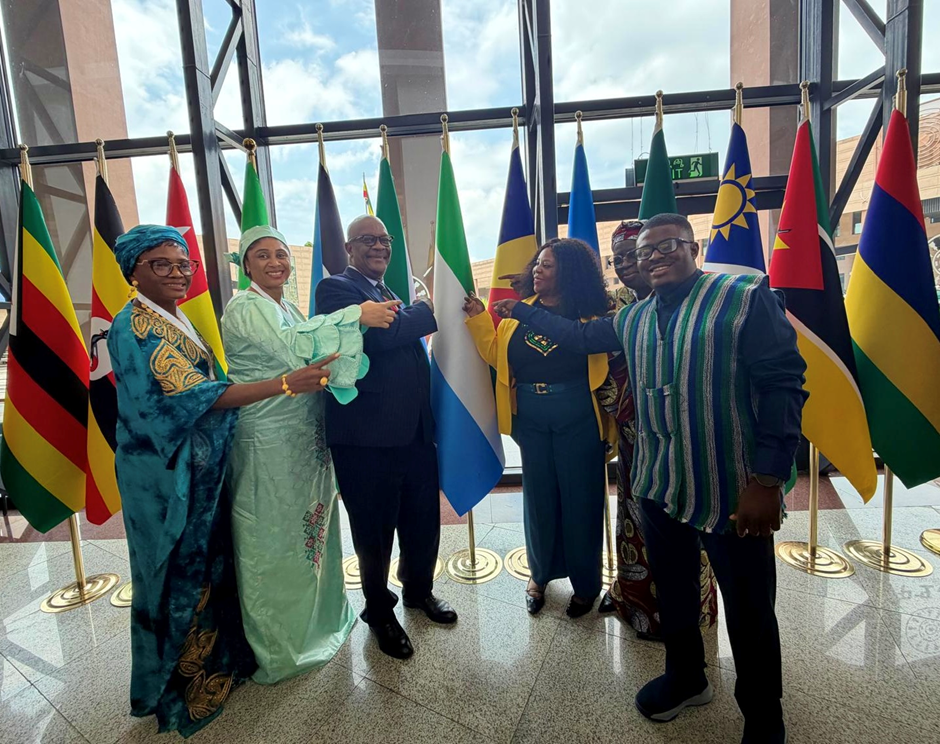
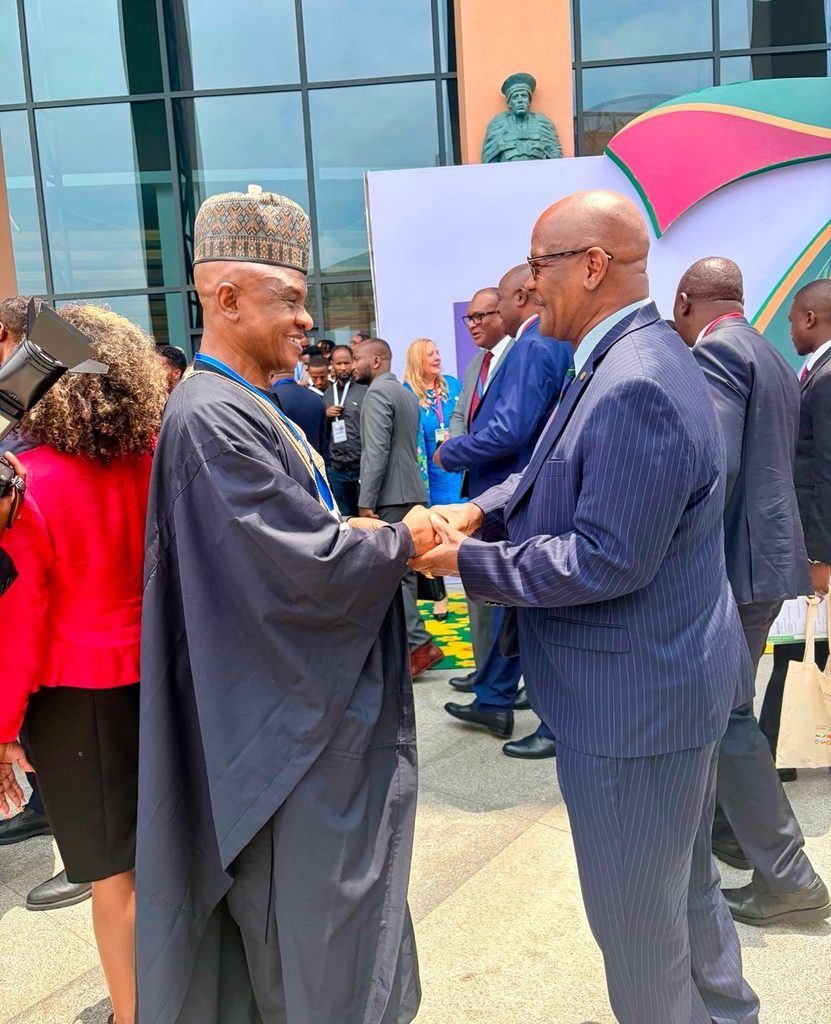
The 76th Session of the WHO Regional Committee for Africa (RC76) is underway in the Ethiopian capital-Addis Ababa and Ministry of Health’s team, led by Dr. Austin Demby, is shaping decisions that will define Africa’s health future for decades to come.
RC76 provides an opportunity for countries to gather experiences of other Member States, build strategic partnerships and identify practical approaches that can be adapted to their own specific national contexts.
The high-level engagement underscored the importance of African ownership, regional solidarity, stronger investment and practical action. In his opening statement, the Ethiopian President, Taye Atske Selassie, called for greater cooperation and sustained investment in resilient health systems, while WHO Regional Director for Africa, Dr. Mohamed Janabi, stressed that decisions taken during RC76 will shape policies, guide healthcare investments and influence future generations.
For Sierra Leone, The Minister of Health was very unequivocal about the country’s health priorities. “Our national priorities remain clear and focused,” he said. He went on, “we are building and retaining a stronger workforce, securing sustainable financing for universal health coverage, strengthening regulation of medicines and medical products, improving emergency response capacity, advancing health data systems, and enhancing early childhood development.”
These are not abstract themes, they reflect the very areas where Sierra Leone continues to invest strategically: strengthening primary health care, improving disease surveillance, prevention and control, building emergency preparedness and response, and advancing maternal and child health care.
So for Sierra Leone, participation in RC76 is more than just attending another regional meeting. It is an opportunity to share the country’s experience, learn from other African countries, contribute to regional policy discussions and ensure that Sierra Leone’s priorities and lessons are reflected in the continent’s collective health agenda. The Regional Committee is WHO’s highest decision-making body in Africa. What is agreed in Addis Ababa this week will influence health policy, financing and investment across the continent.