Youyi Building, Freetown| Friday 4th September, 2026.
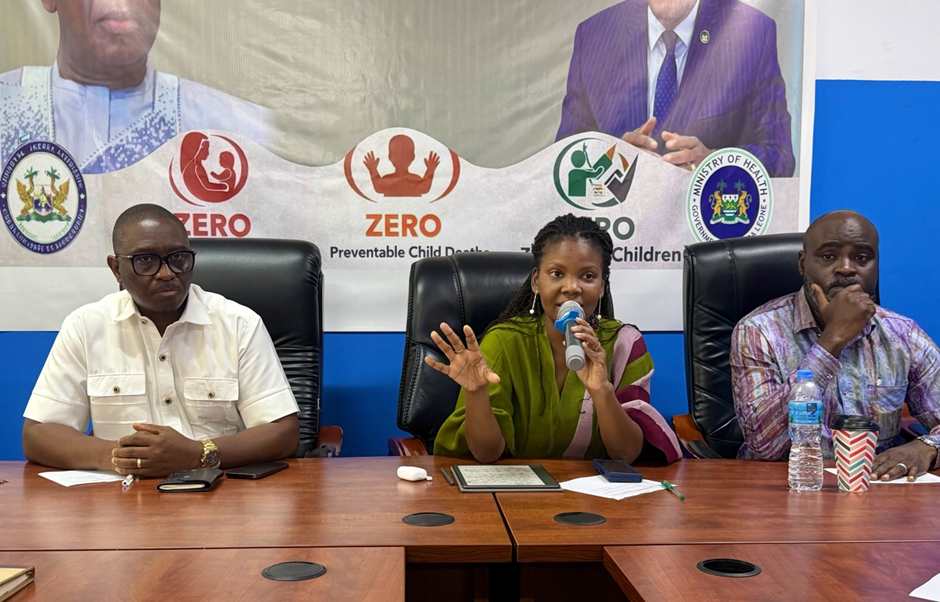
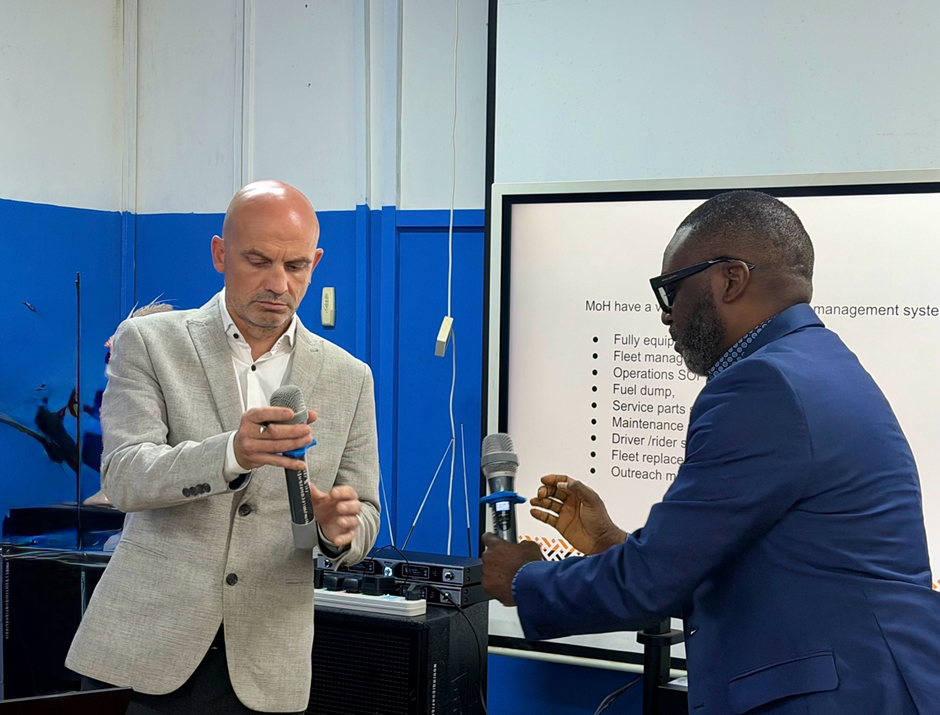
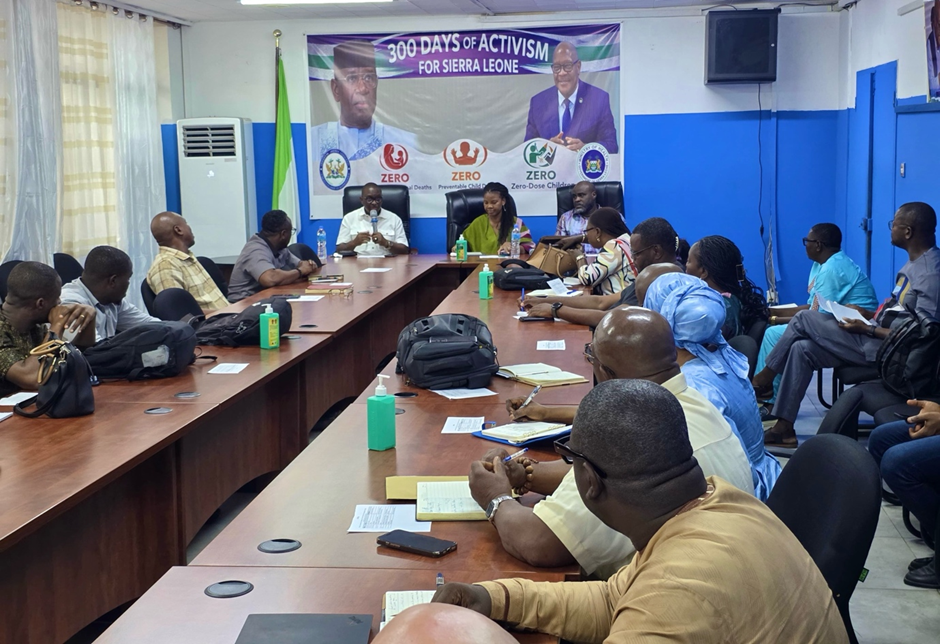
This morning, the leadership of the Ministry of Health (MoH) held a very successful meeting with a high-level delegation from Riders for Health, an African-led social enterprise, specialized in maintaining fleets on contract for ministries of health and health NGOs in Africa. The organization is renowned for keeping motorcycles, ambulances, and trucks running in tough terrain at sustainable costs. It takes care of outreach transport systems that allows community health workers physically reach remote villages with essential health commodities including getting drugs and vaccines to primary health facilities.
Today’s meeting with the Riders leadership reinforces the ministry’s determination to actively explore new ways of optimizing service delivery for maternal and child care, with a particular focus on improving referrals networks and ambulance services during the implementation of the 300 Days of Activism.
The meeting followed a series of engagements and assessments conducted by Riders for Health in partnership with the Ministry to examine gaps in ambulance and referral services, supply-chain transportation and health-facility support. Today’s discussions highlighted findings of the assessments and provided key insights into the possibilities of forging a potential partnership that responds to the increasing demands of delivering essential healthcare commodities to facilities in time.
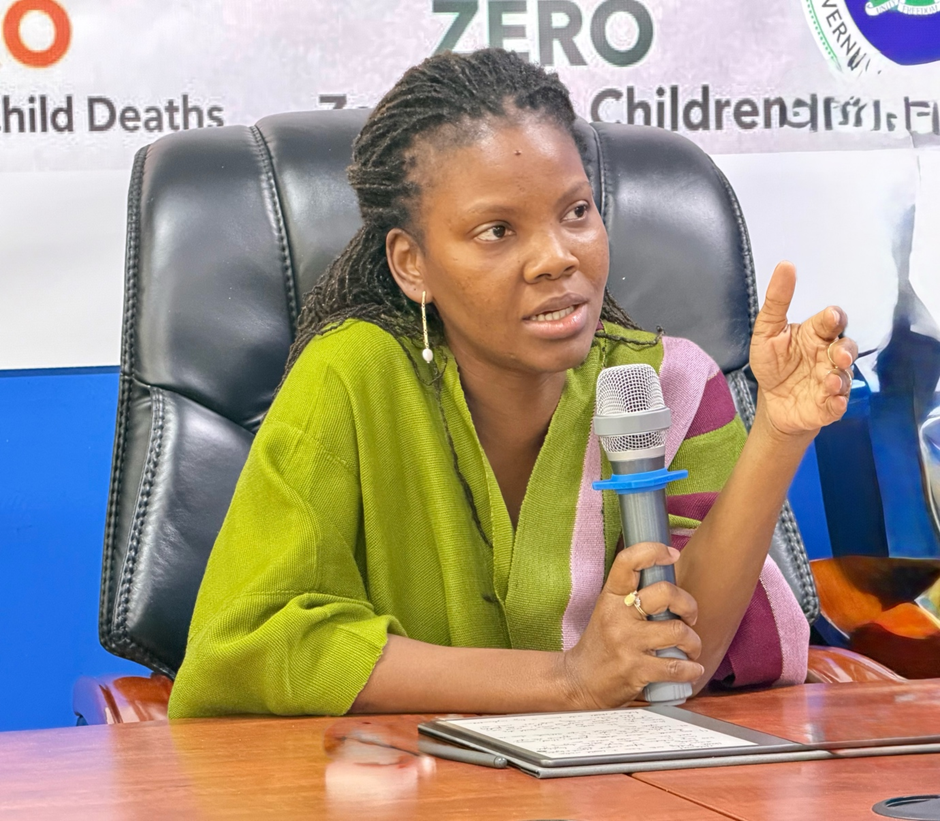
“As we continue to advance the Government’s commitment to strengthening healthcare delivery, our goal is clear: wherever our people live—whether in remote, hard-to-reach or riverine communities—poor roads, limited transport options or the absence of proper access routes should not determine whether they can receive timely and lifesaving healthcare,” says the Deputy Minister of Health II, who chaired the meeting.
Sierra Leone is arguably a strong candidate for exactly this model based on Riders for Health’s own current and historical country listings, and it’s worth spelling out what a Riders-style operation could plausibly do there given documented gaps in the health system.
Rural road conditions in Sierra Leone are poor and worsen dramatically in the rainy season, which is a well-documented driver of delayed emergency obstetric referrals from village to Community Health Centre to hospital — a major contributor to maternal and child mortality rates. A well managed motorcycle-ambulance or sidecar-ambulance fleet, maintained the way Riders does it, could shorten those referral times and complement Sierra Leone’s National Emergency Medical Service (NEMS), which already runs a national ambulance dispatch system that still struggles with last-mile access to the most remote chiefdoms.
Beyond emergencies, a Riders-type program could support routine outreach for the country’s Community Health Worker and Community Health Post network, carrying vaccines and medicines out to posts that currently rely on staff walking or using unreliable personal transport, and could revive the kind of diagnostic sample-courier network that proved valuable during the Ebola response — useful not just for outbreak preparedness but for routine TB, malaria, and lab testing logistics.